
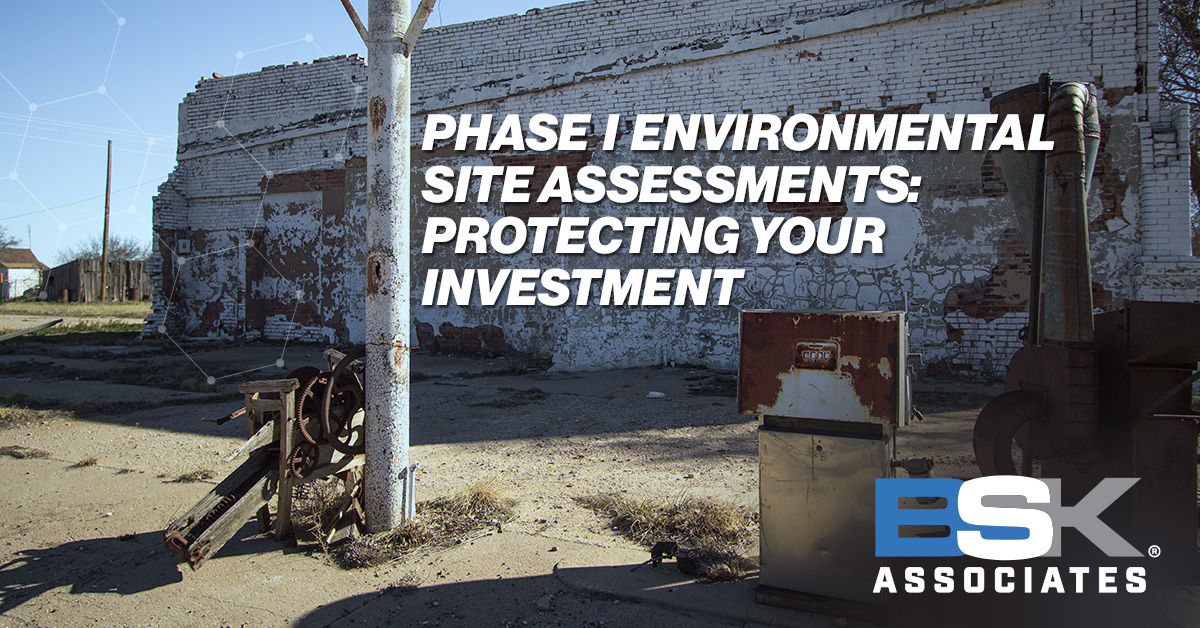
Phase I Environmental Site Assessment
A Phase I Environmental Site Assessment (ESA) is a critical component of environmental due diligence for anyone involved in the purchase, financing, or redevelopment of real property. Its primary purpose is to help clients understand potential environmental risks associated with a property before moving forward with a transaction. By identifying environmental concerns early, a Phase I ESA supports informed decision-making and helps protect clients from unexpected liabilities.
The assessment is conducted in accordance with ASTM E1527-21, the industry-recognized standard for Phase I Environmental Site Assessments. This standard establishes a consistent framework for evaluating environmental conditions and is widely accepted by lenders, investors, and regulatory agencies. A properly completed Phase I ESA is designed to identify any known or potential environmental conditions that could affect a property’s value, current or future use, financing, or redevelopment plans.
Establishes Liability Protection Under Federal Law with Phase I Environmental Site Assessment
One of the most important benefits of a Phase I ESA is the legal protection it can provide. When conducted in compliance with ASTM E1527 standards, a Phase I ESA helps purchasers, lenders, and property owners qualify for specific liability defenses under the Comprehensive Environmental Response, Compensation, and Liability Act (CERCLA), commonly known as the federal Superfund law.
These defenses include the “Innocent Landowner,” “Bona Fide Prospective Purchaser,” and “Contiguous Property Owner” protections. Qualifying for these defenses can shield clients from being held financially responsible for contamination that occurred prior to their ownership and was not caused by their actions. Without this protection, property owners may face significant cleanup obligations, potentially totaling millions of dollars, even if they did not contribute to the contamination.
Identifies Environmental Risks Before Money Is Committed
A Phase I ESA evaluates whether Recognized Environmental Conditions (RECs) are present at the property. RECs are defined as the presence or likely presence of hazardous substances or petroleum products due to releases, past releases, or conditions that pose a material risk of a release.
Identifying these risks early allows clients to make strategic decisions while they still have leverage. Depending on the findings, a client may choose to avoid purchasing or financing a high-risk property altogether. Alternatively, the information may be used to renegotiate the purchase price, revise contract terms, or require corrective actions such as cleanup, escrow arrangements, or indemnifications from the seller. In cases where uncertainty remains, the Phase I ESA also helps determine whether further investigation, such as a Phase II ESA involving sampling and laboratory analysis, is warranted.
Limits Unexpected Financial Exposure
Environmental issues can lead to a wide range of financial and operational challenges. These may include costly cleanup requirements, regulatory enforcement actions, construction delays, reduced property value, and difficulties with future sale or refinancing. Without proper due diligence, these issues often surface after acquisition, when options are limited and expenses are significantly higher.
A Phase I ESA helps limit this exposure by providing a clear understanding of potential environmental concerns before the transaction is finalized. Clients can better anticipate future costs, plan realistic budgets, and avoid “surprise” liabilities that could impact project timelines or financial performance.
Supporting Informed Business Decisions with Phase I Environmental Site Assessment
By reviewing historical property uses, regulatory databases, aerial photographs, and current site conditions, the Phase I ESA delivers clear, defensible information. This process enables clients to manage environmental liability responsibly and make confident business decisions based on documented findings rather than assumptions.
In Simple Terms
A Phase I Environmental Site Assessment protects a client by:
- Reducing legal liability
- Preventing costly surprises
- Preserving deal leverage
- Supporting defensible, informed decisions
In today’s risk-conscious real estate and lending environment, a Phase I ESA is not just a formality—it is an essential tool for protecting investments and ensuring long-term success. To learn more about Phase I Environmental Site Assessments and how BSK Associates can help support your business or institution, contact Kevin Grove, Managing Principal – Environmental Services.


