The Science of Testing For Mercury in Wildfire Impacted Soil and Groundwater

THE SCIENCE OF TESTING FOR MERCURY IN WILDFIRE IMPACTED SOIL AND GROUNDWATER

California’s increasing wildfire frequency and intensity have raised significant environmental concerns, including the mobilization of toxic substances like mercury (Hg). Mercury, a persistent and bioaccumulative heavy metal, can be released from both natural and anthropogenic sources during wildfires, posing risks to ecosystems and human health.

Wildfires can significantly alter the chemical and physical properties of soil, leading to:

  • Thermal release of mercury from soil and vegetation.
  • Increased erosion of contaminated soils into waterways.
  • Enhanced methylation of mercury due to post-fire changes in organic matter and microbial activity.

Post-wildfire conditions facilitate mercury transport through:

  • Surface runoff during rain events, carrying ash and soil into streams and lakes.
  • Leaching into groundwater, especially in areas with permeable soils and shallow aquifers.
  • Bioaccumulation in aquatic food webs, affecting fish and wildlife.

The California Water Science Center has been modeling these processes to understand how mercury moves through watersheds post-fire

According to the State Water Resources Control Board, mercury has been detected in public water wells across California. Sixteen (16) out of 9,201 wells tested between 2007–2017 had mercury levels above the federal Maximum Contaminant Level (MCL) of 2 µg/L. The highest concentrations were found in Monterey, Kern, Los Angeles, and Napa counties.

While not all of these detections are directly linked to wildfires, the risk of wildfire-induced mobilization of mercury into groundwater is a growing concern.

Recent Studies Indicating Mercury Contamination from Wildfires

  1. A 2015 study in the Cache Creek and Putah Creek watersheds found that wildfires increased concentrations of methylmercury (MeHg), the most toxic form of mercury in sediments, plants, and aquatic organisms.
  1. Coastal Ranges Wildfires (2022–2023):

A study published in Environmental Science & Technology examined two burned watersheds and one reference site:

  • Initial storm runoff post-fire carried suspended solids with mercury levels up to 46 times higher than the reference site.
  • Mercury was predominantly in particulate form, associated with ash and eroded soil.
  • Rapid vegetation regrowth helped reduce mercury transport within months
  1. Camp Fire (2018, Butte County)

The Camp Fire, which destroyed the town of Paradise, released toxic metals including mercury:

  • Elevated levels of lead, zinc, and mercury were detected in air samples up to 150 miles away.
  • Structural fires contributed to the release of synthetic materials containing heavy metals.
  1. Dixie Fire (2021)

While specific mercury data is limited, the Dixie Fire prompted legal and environmental scrutiny:

  • Highlighted the role of airborne pollutants and post-fire runoff in contaminating watersheds.

• Ongoing studies are assessing the long-term impacts on water quality and ecosystem health


How Wildfires Cause Volatile Organic Compound (VOC) Contamination

VOCs are a group of chemicals that can easily become vapors or gases. VOCs like benzene, toluene, ethylbenzene, and xylene are commonly released during wildfires due to the combustion of vegetation, building materials, plastics (e.g., PVC, HDPE) and household chemicals, especially in areas with permeable soils and shallow aquifers

These VOCs can infiltrate soil and groundwater through direct deposition from smoke and ash, leaching from burned infrastructure and debris, suction into water systems and when pressure drops during firefighting efforts. Once in the environment, VOCs can persist in groundwater due to their chemical stability and low biodegradability.

Notable Locations Indicating VOC Contamination from Wildfires

Several wildfire events in the U.S. have led to documented VOC contamination:

Paradise, California (Camp Fire, 2018): Benzene and other VOCs were found in the drinking water system, traced back to melted plastic pipes and intrusion of smoke and gases.

Santa Rosa, California (Tubbs Fire, 2017): Similar contamination was observed, with VOCs detected in water mains and service lines. The contamination was linked to the degradation of plastic pipes and the intrusion of smoke and gases into water lines during pressure loss events.

Gallinas Creek, New Mexico (Calf Canyon/Hermit Peak Fires, 2022): Post-fire monitoring showed impacts on water quality, including potential VOC presence 3.

Traditional methods for mercury analysis in soil:

Cold Vapor Mercury Analysis: Overview

As discussed, the analysis of mercury in environmental samples, such as air, water, and soil, is crucial for assessing the impact of mercury pollution and for ensuring public health and safety. The most common methods for mercury detection is cold vapor atomic absorption spectroscopy (CVAAS), which relies on the reduction of mercury ions (Hg²⁺) to mercury vapor (Hg⁰) at low temperatures. Cold vapor analysis involves two primary steps:

  1. Reduction of mercury: Mercury in environmental samples, typically present as Hg²⁺ (ionic form), is reduced to its elemental form (Hg⁰), which is gaseous.
  2. Detection of mercury: The mercury vapor is then quantified using atomic absorption spectroscopy (AAS), where the absorption of light by mercury vapor at a specific wavelength is measured, providing a direct indication of the concentration of mercury in the sample.

Cold vapor analysis is valued for its sensitivity, specificity, and relatively simple sample preparation, making it ideal for low-concentration mercury detection.

The following EPA cold vapor methods have been established for the analysis of mercury in environmental samples:

  • EPA 7470A: Mercury in Liquid Waste
  • EPA 7471B: Mercury in Solid or Semi-Solid Waste


Limitations and Possibilities of Interference in Cold Vapor Mercury Analysis in the Presence of Volatile Organics

While this technique has proven effective for many environmental matrices, its performance can be significantly impacted by the presence of volatile organic compounds (VOCs). Interferences stated in these methods includes “certain volatile organic materials that absorb at this wavelength may also cause interference.”

Potential Interferences from Volatile Organics in the detection of Mercury

The primary limitation in the cold vapor technique arises when volatile organic compounds (VOCs) are present in the sample matrix. VOCs are a broad class of organic chemicals that have high vapor pressure at ambient temperature, including compounds such as benzene, toluene, xylene, and various chlorinated solvents. These compounds can interfere with the cold vapor analysis in the following ways:

  1. Chemical Interference During Reduction:
    • VOCs as Reducers: Some VOCs can act as reducing agents, potentially reducing not only mercury ions (Hg²⁺) but also other elements in the sample. This can lead to a false positive result, where the mercury concentration is overestimated. For instance, VOCs containing active hydrogen atoms (such as alcohols or aldehydes) may reduce mercury ions along with other metal ions, making it difficult to distinguish mercury from other reduced species.
    • Competing Reactions: In the presence of certain organic solvents or compounds, the reaction between the sample matrix and the reducing agent (commonly stannous chloride, SnCl₂) may be disrupted. This can affect the efficiency of mercury reduction and result in incomplete or uneven mercury vapor generation, reducing the accuracy of the analysis.
  2. Physical Interference from VOCs:
    • Volatility Overlap: Many VOCs have similar vapor pressures to mercury, meaning they could be co-distilled or co-evaporated during the cold vapor generation process. This can lead to erroneous readings or contamination of the mercury signal with signals from the VOCs, complicating the analysis. In some cases, VOCs could enhance or suppress the absorption signals for mercury, leading to inaccurate quantification.
    • Matrix Effects: The presence of VOCs in the sample matrix can also alter the characteristics of the cold vapor generation system, such as the temperature or the efficiency of mercury vapor collection. Organic solvents may change the viscosity of the sample or introduce bubbles, which could interfere with the atomization or detection of mercury.
  3. Instrumental Interference:
    • Spectral Interference: Some VOCs may have absorbance or emission spectra that overlap with that of mercury. This could cause spectral interference, particularly when using atomic absorption or atomic fluorescence techniques for detection. As a result, the instrument may record signals from both mercury and the VOCs, leading to inaccurate quantification of mercury.

Analysis for Mercury by Inductively Coupled Plasma Mass Spectrometry (ICP-MS)

Cold vapor mercury analysis remains a powerful and widely used technique for detecting mercury in environmental samples. However, the presence of volatile organic compounds poses significant challenges to the accuracy and reliability of this method. While there exists several strategies to help mitigate interferences in the cold vapor mercury analysis technique in the presence of VOCs, alternate analytical techniques should be considered.

Inductively Coupled Plasma Mass Spectrometry (ICP-MS) can be preferable to Cold Vapor Atomic Absorption Spectroscopy (CVAAS) for mercury analysis in environmental samples in the presence of volatile organic compounds (VOCs) for several important reasons. These reasons revolve around ICP-MS’s sensitivity, specificity, and ability to handle complex matrices, including those contaminated with VOCs.

The ICP-MS method measures ions produced by a radio-frequency inductively coupled plasma. Analyte species in liquid are nebulized and the resulting aerosol is transported by argon gas into the plasma torch. The ions produced by high temperatures are entrained in the plasma gas and introduced, by means of an interface, into a mass spectrometer. The ions produced in the plasma are sorted according to their mass-to-charge (m/z) ratios and quantified with a channel electron multiplier. Below are the key advantages of using ICP-MS in such scenarios:

  1. Reduced Interference from VOCs
  • Chemical and Physical Interferences: ICP-MS is much less affected by the presence of VOCs because it uses mass spectrometry to detect ions at specific mass-to-charge ratios (m/z). VOCs typically do not interfere with the mass spectrometry detection of mercury, as their molecular masses are quite different from that of mercury (Hg, m/z 202). This makes ICP-MS a more robust method in complex sample matrices containing VOCs.
  1. High Sensitivity and Low Detection Limits
  • Detection Sensitivity: ICP-MS offers exceptional sensitivity, with detection limits in the low parts per trillion (ppt) range, which is orders of magnitude better than Cold Vapor Atomic Absorption Spectroscopy (CVAAS). In environmental samples where mercury concentrations can be very low, ICP-MS provides the sensitivity needed to detect trace amounts of mercury even in the presence of background interferences, such as VOCs. CVAAS, while sensitive, is not as effective at detecting very low concentrations of mercury when the matrix is complex or when there is significant interference.
  1. Multi-element Capability
  • Simultaneous Detection of Other Elements: ICP-MS can simultaneously analyze multiple elements in a single sample, which is highly beneficial when mercury is one of several potential contaminants in an environmental sample. For example, ICP-MS can measure mercury alongside other toxic metals like lead, arsenic, and cadmium, providing a comprehensive analysis in a single run. This is particularly useful in environmental monitoring, where multiple contaminants may be present in a single sample. Cold vapor techniques, in contrast, are focused specifically on mercury and would require separate analyses for other elements, making them less efficient in complex environmental testing scenarios.
  1. Ability to Handle Complex Sample Matrices
  • Matrix Tolerance: ICP-MS is highly versatile and capable of analyzing samples with a wide range of matrices, including those that may contain VOCs, organic solvents, and other complex chemical species. The robustness of ICP-MS in handling difficult matrices (such as those with high organic content or high salinity) is a significant advantage over CVAAS.
  1. No Need for Reduction or Distillation
  • Sample Preparation: Cold vapor analysis typically requires a reduction step (e.g., using stannous chloride or other reducing agents) to convert mercury from its ionic form (Hg²⁺) to its elemental vapor (Hg⁰). This step can introduce potential interferences, particularly in the presence of VOCs. In contrast, ICP-MS does not require such a reduction step for mercury analysis. The sample is introduced into the plasma in its dissolved state, and mercury is ionized directly. This removes the need for complex sample preparation and makes ICP-MS more suitable for rapid, straightforward mercury analysis, particularly in environmental samples with challenging matrices.
  1. Quantitative Analysis in the Presence of Organics
  • Improved Quantification: While CVAAS can suffer from matrix effects in the presence of VOCs, ICP-MS’s mass spectrometric detection is more selective and precise. Even in the presence of interfering organic compounds, the ability of ICP-MS to resolve ions based on their mass-to-charge ratio allows for accurate quantification of mercury without the confounding effects of VOCs. This makes ICP-MS a more reliable method for accurate mercury quantification in complex environmental samples.
  1. High Throughput and Efficiency
  • Speed and Automation: ICP-MS is capable of analyzing a large number of samples quickly and with minimal operator intervention. It can be easily automated, making it a high-throughput option for environmental monitoring programs. On the other hand, CVAAS is often more time-consuming and requires more frequent calibration, especially in complex sample matrices. When VOCs are present, CVAAS analysis may require extra time to address potential interferences, making it less efficient compared to ICP-MS for large-scale environmental testing.

Conclusion

Utilizing an ICP-MS method is often preferred over cold vapor atomic absorption spectroscopy (CVAAS) for mercury analysis in fire impacted environmental samples potentially containing VOCs due to its superior ability to handle complex matrices, reduce interference, and provide high sensitivity with minimal sample preparation. The mass spectrometric detection offered by ICP-MS ensures accurate and reliable quantification of mercury, even in the presence of VOCs and other interferences. Furthermore, the ability to simultaneously analyze multiple elements makes ICP-MS a more versatile and efficient tool for environmental monitoring and contamination assessment. Finally, advancements in ICP-MS technology continues while Cold Vapor technology is more static.

BSK recommends EPA method 6020B for the analysis of Mercury in soils and groundwater impacted by wildfires. Acid digestion of the soil and groundwater is required prior to filtration and analysis. The acid digest can then be analyzed for Mercury along with the other California Title 22 metals.


Looking to learn more about BSK Associates Geoprofessional and Analytical Services, check our website and connect with us to see how we can help you.  www.bskassociates.com 

How to Propose Projects with Confidence: Simple Steps to Stop Underselling Your Skills

Proposing Work Without Underselling Your Expertise

Let’s be honest—writing proposals as a Geoprofessional can sometimes feel like a special form of torture. You’re essentially saying, “Please pick me! But also, here’s exactly how much it’s going to cost you, and yes, I know my competitor may have quoted 20% less.” It’s somewhat akin to asking someone to marry you while simultaneously negotiating the prenup.

But here’s the thing: the proposal process doesn’t have to be a dance of desperation or one that cuts into a reasonable profit margin. With the right approach, you can waltz your way to winning work while maintaining a reasonable fee while doing it. Revolutionary concept, right?

Know Your Worth (And Then Add Your Margin)

First things first Geoprofessionals: we must stop treating our expertise like a commodity. You didn’t spend years learning the difference between clay and silt just to compete solely on price. Your geological knowledge, project experience, and that uncanny ability to spot potential problems before they become expensive disasters? That’s valuable stuff. Not to mention the amazing person you are and the way you focus on client relationships!  That’s worth something too!

When pricing your services, remember that clients aren’t just buying your time—they’re buying peace of mind, risk mitigation, and the confidence that comes from working with someone who is knowledgeable and is serving as part of their team. That’s worth more than the rock-bottom bidder who promises everything for nothing and delivers an inferior product and client experience.

The Art of Strategic Storytelling

Every proposal should tell a story, and that story should be: “Here’s why we’re the heroes you need for this particular project.” Generic proposals are like elevator music—forgettable and even slightly annoying. Instead, show that you actually read their RFP (shocking, we know), are familiar with projects like they are soliciting services for, and understand their specific challenges.

Did they mention tight deadlines? Talk about your project management approach and your team’s ability to deliver. Are they worried about regulatory compliance? Share that story about how you resolved a unique permitting situation. Concerned about budget overruns? Highlight your approach to budget management, transparency and collaboration with project scoping and estimating, and your track record of staying on or under budget.

The Goldilocks Principle of Proposal Length

Your proposal should be detailed enough to be useful, but not so complex that it overwhelms the reader. Nobody wants to read a novel about why you’re qualified to do a Phase I ESA. On the other hand, a two-page proposal for a complex remediation project is likely too brief and suggests that either you don’t fully understand the scope or you’re planning some creative scope creep later.

Aim for that middle ground where you provide enough detail to demonstrate competence without putting the reader to sleep.  Of course, be sure to cover all the necessary bases to avoid unnecessary risk or exposure. However, speaking in terms that anyone can understand and keeping the proposal concise by preventing the client from having to read 47 pages about soil sampling methodologies will be considered a valuable and welcomed approach.

Differentiation That Actually Matters

Saying you provide “quality work” and “excellent customer service” is like saying you breathe oxygen—it’s expected, not something that differentiates you. When a client contacts anyone who provides our services they expect a base level of technical expertise and customer service that should be standard for any consultant. So, focus on what makes you truly different. Maybe you’re the only firm in town with experience in a wide range of disciplines that are needed for a project. Perhaps you have a particularly efficient mobilization process that saves your clients money. Or maybe you’re just really, really good at explaining complex geological concepts in terms that non-geologists can understand.

Whatever it is, make it specific and make it relevant to them AND their project. “We’re different because we care” isn’t compelling. “We’re different because we’re the only firm in the region with a full-service Geotechnical Engineering and Geology team with a 98% first-pass state regulatory approval rate” is.

The Follow-Up That Doesn’t Feel Stalker-ish

Submitting your proposal and then never following up is like putting a bat and ball into a kid’s hands and never teaching them how to play the game of baseball. A thoughtful plan for follow-up shows you’re engaged and professional, not desperate. Send a brief email confirming receipt, offer to answer questions, and if appropriate, maybe share a relevant article or case study that supports what you have proposed.

The key is emphasizing your interest in being part of the client’s team.  Being helpful, not pushy. “I saw this article about similar contamination issues and thought it might be relevant to your project,” is professional engagement. “Have you made a decision yet? How about now? Now?” is how you get blocked on LinkedIn.

When to Walk Away (And How to Do It Gracefully)

Sometimes the best business decision is knowing when not to bid. If a project is clearly under-scoped, the timeline is impossible, or the client is shopping purely on price for work that requires significant expertise, it might be time to decline and point yourself in another direction politely. This isn’t giving up—it’s strategic resource allocation that is truly valuable to you, your team, and your company.

A departure can be made gracefully by saying “This project doesn’t align with our current capacity, but we’d love to be considered for future opportunities,” which maintains relationships while protecting your sanity and profitability. Plus, clients remember firms that are honest about their limitations, and that can lead to better-matched opportunities down the road.  There is truly nothing worse than overpromising and underdelivering, which can be a real consequence of accepting poor commissions.

The Long Game

Remember, every proposal is part of building your and your company’s reputation in the industry. Even when you don’t win, you want to be remembered as the firm that submitted a thoughtful, professional response that demonstrated real understanding of the project. Today’s runner-up can be tomorrow’s sole-source contractor. Sometimes those losses can even create opportunities to build a relationship with the client through a quality debrief!  So, regardless of the outcome, be confident in your approach and provide a quality proposal to your client.

The goal isn’t to win every project—it’s to win the right projects at the right price with clients who value what you bring to the table. The product will be an incredibly valuable  client base and book of business that will result in a much healthier business and significantly less stress.

Now go forth and propose with confidence. Your expertise is worth it, your clients need it, and your profit margins (and business managers) will thank you for it.

Tim Rodriguez

Tim Rodriguez

Chief Operating Officer, Geoprofessional Division


Looking to learn more about BSK Associates Geoprofessional and Analytical Services, check our website and connect with us to see how we can help you.  www.bskassociates.com 
 

BSK Associates’ Blood Drive: A Tradition of Giving Back and Saving Lives

Rolling Up Our Sleeves: BSK’s Commitment to Saving Lives Through Our Annual Blood Drive

At BSK Associates, giving back isn’t just part of what we do – it’s part of who we are. One of the most impactful ways we serve our communities is through our Annual Blood Drive, a long-standing tradition that brings our team together to help save lives.

Each year, our employees step away from their desks and job sites to roll up their sleeves in partnership with the Central California Blood Center. It’s a simple but powerful act of service that reflects our ongoing mission to make a positive impact where we live and work.

A Tradition of Compassion and Community

Our blood drives span many years and reflect a deeply rooted culture of generosity. From the beginning, these events have united our team around a shared goal: to support our local community in a life-saving way.

Over time, participation has grown—thanks to returning donors, new faces, and the enthusiastic support of our internal champions who help plan and organize each event. What started as a service initiative and has become a celebration of teamwork, compassion, and connection.

We’ve also proudly contributed financial donations to the Central California Blood Center, further reinforcing our commitment beyond blood donations alone.

2025: Continuing the Legacy

This year’s Annual BSK Blood Drive takes place on Friday, August 8th at our Fresno office (691 N. Laverne Ave.) from 10 AM to 1 PM. More than tradition, the event reflects our shared values of care and community support.

We’re especially excited to introduce a new thank-you for donors: “Donate a pint, get a pint!” For the first time, participants will receive a free pint of ice cream from Umpqua Dairy as a sweet reward for their life-saving generosity. It’s a fun twist that we hope encourages even more people to join us.

Whether you’re a long-time donor or considering it for the first time, we invite you to be part of this meaningful tradition.

More Than Just a Blood Drive

BSK’s commitment to community goes well beyond this annual event. From supporting local education to environmental efforts and industry outreach, we believe in creating opportunities for employees to make a difference. Our approach includes:

  • Encouraging individual volunteerism
  • Supporting office-level initiatives like food drives and clean-ups
  • Organizing firm-wide events—like our blood drive—that have a broader impact

These efforts not only benefit our communities – they strengthen our workplace culture and remind us why our work matters.

Looking Ahead

We’re proud to continue this life-saving tradition and are grateful to everyone who helps make it a success. We hope to see even more first-time donors this year and, in the years, to come.

If you’re unable to attend, we encourage you to visit your local blood center—because one donation really can save up to three lives.

For more like us on Facebook. Also, follow us on LinkedIn. Have a question about the services we offer? Check out our webpage @bskassociates.com

BSK Associates Donates to Odyssey Learning Center in Support of Children with Autism

BSK Associates Donates to Odyssey Learning Center in Support of Children with Autism, Thanks to Employee-Driven Sponsorship Program

What happens when a company empowers its employees to give back? Amazing changes begin to take place in local communities.

BSK Associates is proud to announce that Odyssey Learning Center has been selected as the recipient of its Second Quarter Corporate Sponsorship, thanks to the heartfelt nomination from BSK field technician Taressa Jaramillo. Through this employee-driven program, BSK donates quarterly to nonprofit organizations selected by staff via a random drawing. This allows the company’s philanthropic efforts to reflect the personal passions and values of its people.

Odyssey Learning Center, located on a five-acre campus in Orangevale, California, offers specialized education and support for children diagnosed with Autism Spectrum Disorder (ASD) or exhibiting autistic-like symptoms. The school provides a structured, individualized learning environment focused on academics, independent living, communication, and vocational training—along with therapeutic services like speech, occupational therapy, and full-time behavioral support.

For Taressa, the choice was personal and deeply meaningful.

“This organization hits close to home for me,” she said. “My niece Maliyah is severely autistic and nonverbal. When my sister was exploring school options, Odyssey stood out for its caring staff, peaceful campus, and specialized services. It was exactly what Maliyah needed—and what so many families are desperately seeking.”

Taressa also shared that she worked at Odyssey for five years—an experience she describes as both eye-opening and profoundly rewarding.

“Connecting with the kids and learning how to support them as individuals helped me grow both personally and professionally. Every day, we worked to make a difference in their lives—and they made a difference in ours.”

The sponsorship reinforces BSK’s commitment to not only technical excellence in environmental, engineering, and analytical services—but also to uplifting the communities where its employees live and work.

“We are honored to support an organization that is creating life-changing opportunities for children and families,” said Renea Rangell, CEO at BSK Associates. “Taressa’s story is a powerful reminder of why our corporate sponsorship program exists: to channel our resources where they matter most—into the hands of people making a real impact.”

These quarterly sponsorships are more than just a donation—it’s a reflection of BSK’s belief that the people closest to the work are also closest to the causes that matter. By inviting employees to nominate nonprofit organizations they are personally connected to, BSK ensures its charitable giving is guided by genuine stories, lived experiences, and a true understanding of community needs.

Furthermore, these employee-driven choices create a ripple effect—bringing visibility and financial support to organizations that may not otherwise be on a corporate radar. In doing so, BSK not only empowers its team but also strengthens its ties to the communities where its employees live, work, and care deeply. It’s a model of giving that is personal, intentional, and impactful.

From supporting local nonprofits to investing in STEM education and promoting environmental stewardship, BSK Associates is proud to build stronger communities by giving back, through action, compassion, and employee-driven initiatives.

Media Contact:
Kimberly Stoll
Marketing Coordinator
BSK Associates
Email: kstoll@bskassociates.com

www.bskassociates.com


Looking to learn more about BSK Associates Geoprofessional and Analytical Services, check our website and connect with us to see how we can help you.  www.bskassociates.com 

BSK Associates Bakersfield-Grand Opening Event

BSK Associates Bakersfield-Grand Opening Event

On April 3, 2025, BSK Associates proudly celebrated the grand opening of our new Bakersfield office located at 4820 Rosedale Lane. It was a day filled with excitement, community connection, and a shared sense of accomplishment as we officially opened the doors to our expanded facility.

The event kicked off with a ribbon cutting ceremony at 10:30am, hosted in partnership with the Greater Bakersfield Chamber of Commerce. We were honored to welcome local dignitaries, clients, vendors, and industry partners who joined us throughout the day. Attendees enjoyed guided tours of our new construction materials testing laboratory, our brand-new analytical laboratory, and our updated office spaces. With snacks, refreshments, giveaways, and great company, the grand opening was a wonderful success and a meaningful milestone in our ongoing relationship with the Kern County community.

Additionally, we want to extend our sincere thanks to the Chamber of Commerce and everyone who attended or helped make the event so memorable. Your support means the world to us!


A New Chapter: BSK Bakersfield Analytical Lab

One of the most exciting additions to our new facility is the Bakersfield Analytical Laboratory, which recently received its first certification under California ELAP for microbiology testing. This certification marks a major step forward in our mission to expand high-quality analytical services in the region. With this new capability, BSK is now better equipped than ever to serve our local clients in the agriculture, manufacturing, homeowners, drinking and wastewater industries. We’re proud to be growing alongside the Bakersfield community and delivering scientific excellence right here in our local neighborhood.


A Legacy of Service in Kern County

BSK has proudly served the Kern County community since 1972, supporting projects that shape and strengthen the region. We proudly support award-winning transportation infrastructure and essential facility improvements in schools and hospitals by providing engineering, environmental, analytical, and materials testing services that ensure safety, compliance, and quality service. We work across a diverse range of sectors, including water, facilities, commercial, education, transportation, government, agriculture, and energy—and we’re always looking ahead to what’s next.


Over the decades, we’ve supported projects such as:

  • The City of Bakersfield’s Thomas Roads Improvement Program, including Centennial Corridor and Westside Parkway
  • Kern High School District’s Del Oro High School, California State University Bakersfield’s Golden Empire Transit Center, Bakersfield College’s Renegade Athletic Complex, and Taft College’s Student Center
  • Bakersfield Memorial Hospital, Kern Medical Center, and Mercy Southwest Hospital
  • California High-Speed Rail
  • Meadows Field Airport
  • Naval Air Weapons Station China Lake
  • And many more vital community initiatives

The capabilities and services provided by BSK on these projects include:

  • Geotechnical Engineering
  • Environmental Site Assessment
  • Construction Materials Testing
  • Special Inspection Services

These services reflect BSK’s commitment to safety, quality service, and professionalism assuring every project we’re part of is built on a strong foundation.

We are incredibly excited for the future of BSK Bakersfield. Furthermore, we would like to thank everyone who has supported our journey. Here’s to continued growth, stronger communities, and meaningful partnerships!

Check out this short video clip featuring clips of our BSK Associates Bakersfield-Grand Opening Event.

Looking to learn more about BSK Associates Geoprofessional and Analytical Services, check our website and connect with us to see how we can help you.  www.bskassociates.com 


Hexavalent Chromium Monitoring Testing in California Deadline

Upcoming Deadline: Hexavalent Chromium Monitoring Compliance by April 1, 2025

California’s new Hexavalent Chromium Maximum Contaminant Level (MCL) of 10 µg/L goes into effect on October 1, 2024. To comply with California Code of Regulations, Title 22, Section 64432, community and nontransient-noncommunity water systems must complete initial monitoring by April 1, 2025, unless they are using previously approved monitoring data, as outlined below.

What You Need to Know

Who Needs to Monitor?

  • All community and nontransient-noncommunity water systems.
  • Active groundwater and surface water sources must be tested.
  • Standby sources must also be sampled.

Monitoring Requirements

  • Initial monitoring: One hexavalent chromium sample must be collected from all active sources.
  • Samples must be analyzed by a certified laboratory using either analytical method 218.6 or 218.7.
  • If a sample exceeds the MCL, the system must begin quarterly monitoring for that source.

Using Previous Monitoring Data

  • Water systems that previously sampled groundwater sources for hexavalent chromium before October 1, 2024, may qualify to use these results if:
    • The sample was collected after October 1, 2022.
    • The sample was analyzed using an approved method.
  • To request approval, systems must submit a request to the Division of Drinking Water (DDW).
  • Deadline recommendation: Submit your request by November 10, 2024, to allow time for review.
  • Important: Previously collected surface water source samples cannot be used to satisfy the initial monitoring requirement.

Key Deadlines to Remember

Upcoming Deadline: Hexavalent Chromium Monitoring Compliance by April 1, 2025

Need Assistance?

For more details, visit the State Water Board FAQ or contact your BSK project manager at (559) 497-2880.

Stay ahead of the deadline and ensure compliance—schedule your hexavalent chromium monitoring today!


Looking to learn more about BSK Associates Geoprofessional and Analytical Services, check our website and connect with us to see how we can help you.  www.bskassociates.com 
 

BSK Grand Opening & Ribbon Cutting

BSK Grand Opening & Ribbon Cutting – Join Us in Bakersfield on April 3, 2025!

BSK will be hosting a grand opening ribbon cutting ceremony to celebrate our new location at 4820 Rosedale Lane Bakersfield, CA 93314. Local dignitaries have been invited to attend. The ribbon cutting ceremony will be held on Thursday April 3, 2025, at 10:30am. Our facility will remain open to our clients, vendors, and industry partners until 6pm and we will be having snacks, drinks and giveaways for attendees. There will also be tours of our new office space, construction material testing laboratory and our new analytical laboratory. Please join us anytime throughout the day to celebrate with us.

BSK Associates has been in business in the Kern County Community since 1972. Since our inception, BSK has worked on numerous projects throughout the county and thrives on making our communities safer by assuring the projects we help design and/or work on meet all state, local and federal guidelines. Some examples of projects we are proud to have assisted to a successful completion are transportation and infrastructure-related projects such as the award-winning Thomas Road Improvement projects, Centennial Corridor project, California High-Speed Rail, numerous upgrades and additions for educational projects at local school districts, and a wide-range of healthcare projects at our local hospitals. BSK maintains active clients from many sectors of the community including but not limited to oil and gas, water and wastewater, utilities, education, transportation, agriculture, alternate energy and many more.


BSK Grand Opening & Ribbon Cutting – Join Us in Bakersfield on April 3, 2025!

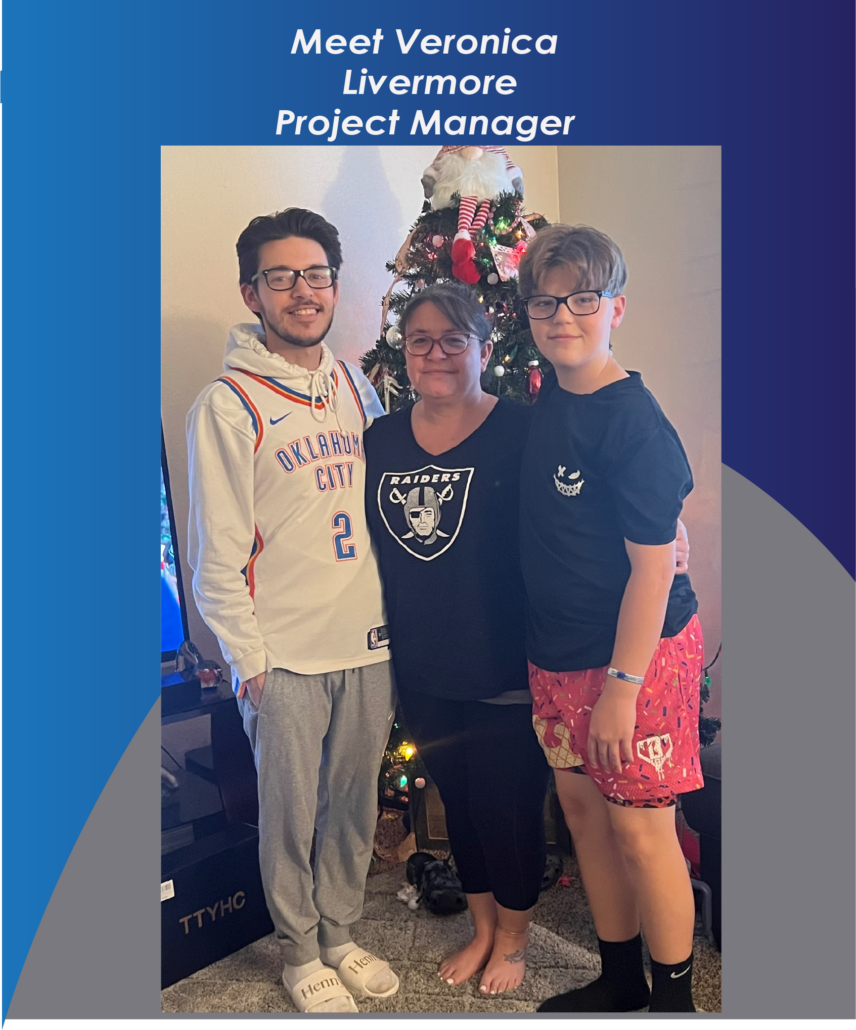
Meet The Staff: Veronica Rager, Livermore Project Manager

Meet The Staff: Veronica Rager, Livermore Project Manager

Meet Veronica Rager, Livermore Project Manager. Learn more about her journey, her role at BSK, and some fun facts about her life. With a 14-year career with BSK, Veronica’s story is filled with growth and plenty of camaraderie.  Let’s dive in!

Meet The Staff: Veronica Rager, Livermore Project Manager

Interviewer: Hi Veronica! Can you tell me a little about where you are from. Where is your hometown and where did you go to school?

Veronica: I was born in Livermore, CA and grew up in the Bay Area. I went to San Lorenzo High and transferred to Livermore High before I started 11th grade where I graduated from in 95’.

Interviewer: How long have you worked for BSK and what do you do for the organization?

Veronica: I’ve been with BSK for 14 years, I was hired for the receptionist position in 2010, moved on to dispatching (which I really enjoy doing) and then did project assistant and now I’m a project manager. It’s been such an exciting journey with all different types of emotions.

Interviewer: What do you enjoy most about your job?

Veronica: I enjoy working with our BSK team, they are amazing! I love how management and coworkers help push you in the right direction that is best for you, they are the best support system.  I enjoy working with our clients, and I have built some good relationships.

Interviewer: Can you tell us your favorite on the job story?

Veronica: I have so many fun memories, like when we started our Wall of Shame, or back in the pre-COVID days when the office would get together after hours for appetizers and drinks. The banter and camaraderie in our office make it such a great place to work.

Interviewer: Thank you so much for answering all these questions today. Can we leave off by you relaying some fun facts about yourself?

Veronica: I have two boys, I’m a baseball mom, I have 20+ tattoos. You can find me at I’m at the baseball field cheering and watching my youngest son living his best life. In my spare time (I don’t have much of it) I also enjoy crafting and making quilts.


Looking to learn more about BSK Associates Geoprofessional and Analytical Services, check our website and connect with us to see how we can help you.  www.bskassociates.com 


BSK Sponsors Redwood High School’s Ranger Band

BSK Sponsors Redwood High School’s Ranger Band

At BSK Associates, we believe in giving back to the communities where we live and work. This commitment is at the heart of our quarterly sponsorship program, which aims to support local organizations making a difference. For the first quarter of this year, we were thrilled to sponsor the Redwood Ranger Band from Redwood High School in Visalia, California.

BSK Sponsors Redwood High School’s Ranger Band 

Why Community Engagement Matters

We were delighted to receive a heartfelt thank you video from the band, expressing their gratitude for the support. It’s moments like these that remind us why giving back is so important. It is also important to note that the Redwood Rangers won first place at their WBA 4A competition at SoFi Stadium. Congratulations Redwood Rangers!

BSK Associates understands that the well-being of our communities directly impacts our success as a company and the personal growth of our employees. By investing in local initiatives like the Redwood Ranger Band, we strengthen the fabric of the communities we serve.

Our commitment goes beyond sponsorships. We actively encourage our employees to make a difference through individual volunteer efforts, office-wide initiatives, and firm-sponsored activities. From educational programs to environmental cleanups, our goal is to have a lasting, positive impact.

Examples of BSK’s Community Involvement

Our sponsorship of the Redwood Ranger Band is just one of the many ways we contribute to the communities we serve. Other initiatives include:

  • Educational Outreach: Supporting schools and STEM programs to inspire the next generation of engineers and scientists.
  • Environmental Projects: Partnering with local organizations to protect and preserve natural resources.
  • Charitable Giving: Donating time, resources, and funds to causes that align with our company values.

Partnering for a Better Future

At BSK Associates, we view community involvement not as a responsibility but as a privilege. We’re proud to support initiatives like the Redwood Ranger Band and look forward to sponsoring more outstanding organizations in the future.

If you’d like to learn more about our community efforts, please follow the links below. Together, we can make a lasting impact. Don’t forget to join our Facebook and LinkedIn for more useful information.

Michael Brechmann’s 100th Blood Donation! – BSK Associates

Support for American Red Cross – BSK Associates

BSK Pays it Forward – BSK Associates

Redwood Rangers won first place 4A when they competed at SoFi Stadium.

Meet The Staff: Kevin Grove, Sacramento Environmental Group Manager

Meet The Staff: Kevin Grove, Sacramento Environmental Group Manager

Kevin’s journey is rooted in his upbringing in Gilroy, California, famously known as the “Garlic Capital of the World. With a degree in Environmental Policy Analysis and Planning from UC Davis, where he also excelled on the NCAA baseball team, Kevin has brought his passion and expertise to BSK for over a decade as the Sacramento Environmental Group Manager.

Kevin Grove, Sacramento Environmental Group Manager

Interviewer: Hi Kevin! Can you tell me a little about where you are from. Where is your hometown and where did you go to school?

Kevin: I was born and raised in Gilroy, California. (Garlic Capital of the World!) I attended UC Davis and received a Bachelor’s degree in Environmental Policy Analysis and Planning and minored in Managerial Economics. I also played on the NCAA baseball team while I attended UC Davis.

Interviewer: How long have you worked for BSK and what do you do for the organization?

Kevin: This is my 12th year with BSK, and I am the Sacramento Environmental Group Manager.

Interviewer: What do you enjoy most about your job?

Kevin: I love the variety of projects that we work on, the people we work with, and seeing a blank piece of land turn into something because of the work we do.

Interviewer: Can you tell us your favorite on the job story?

Kevin: I do the bulk of the Phase I Environmental Site Assessments (ESA) for BSK. One of the Phase I ESAs from 2018 was a vacant lot in Sacramento. This vacant lot eventually turned into a rehabilitation hospital that housed both my grandmother and my father when they were recovering from major surgeries. When I went to visit them, I was blown away that the work we completed turned into something that was finally tangible.

Interviewer: Thank you so much for answering all these questions today. Can we leave off by you relaying some fun facts about yourself?

Kevin: I am a father of 2 wonderful boys, Fortunato (Forty) and Brooks. Forty is 2 and Brooks is 5 months. I have an amazing wife, Samantha, who is the attending veterinarian at Charles River Laboratory where she treats and works with monkeys. Lastly, I am an avid golfer so please reach out if you need me for a golf tournament!


Looking to learn more about BSK Associates Geoprofessional and Analytical Services, check our website and connect with us to see how we can help you.  www.bskassociates.com